External walls
EWS1 survey: what the inspection covers
Send an enquiry about your block and find out what the external wall survey for flats involves. There is no charge to ask, and you decide later if you want to proceed.
On site
What gets examined outside
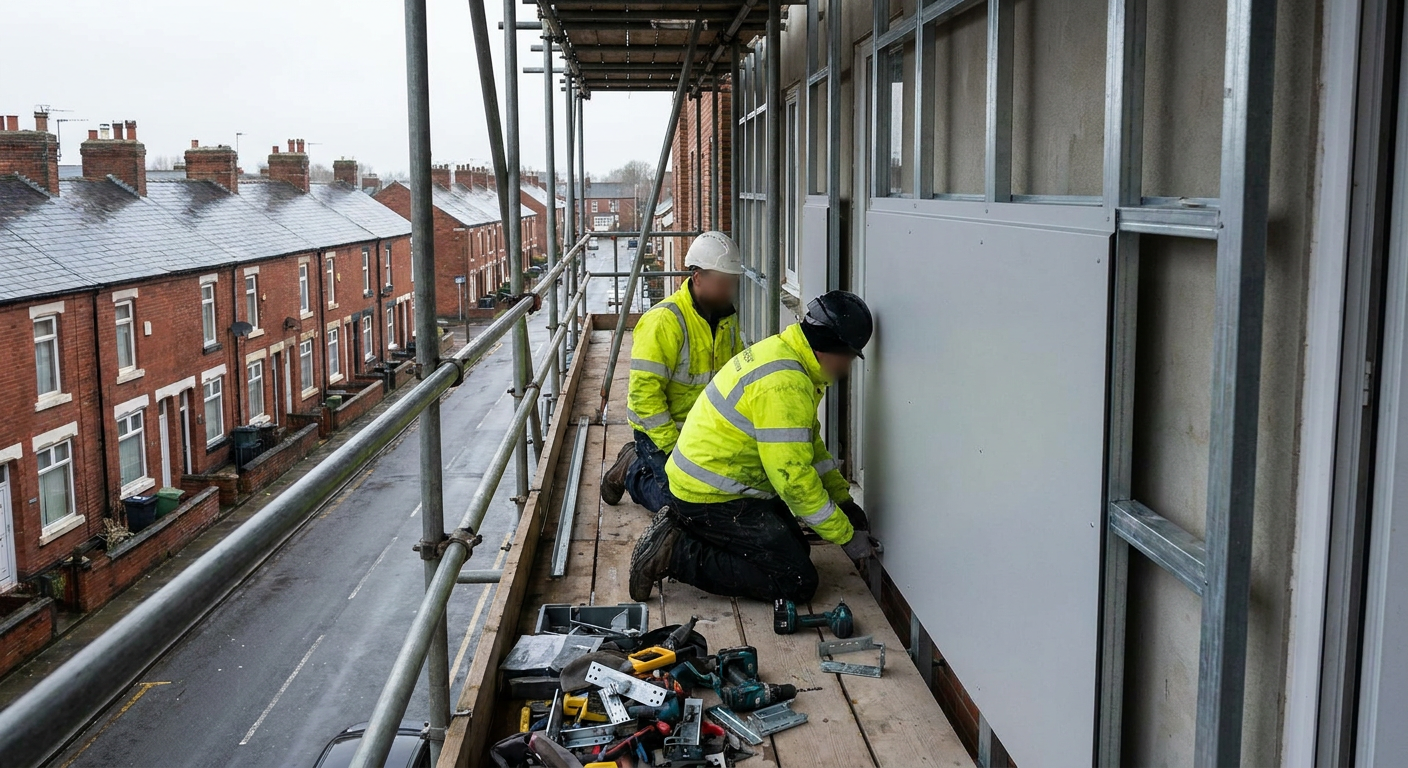
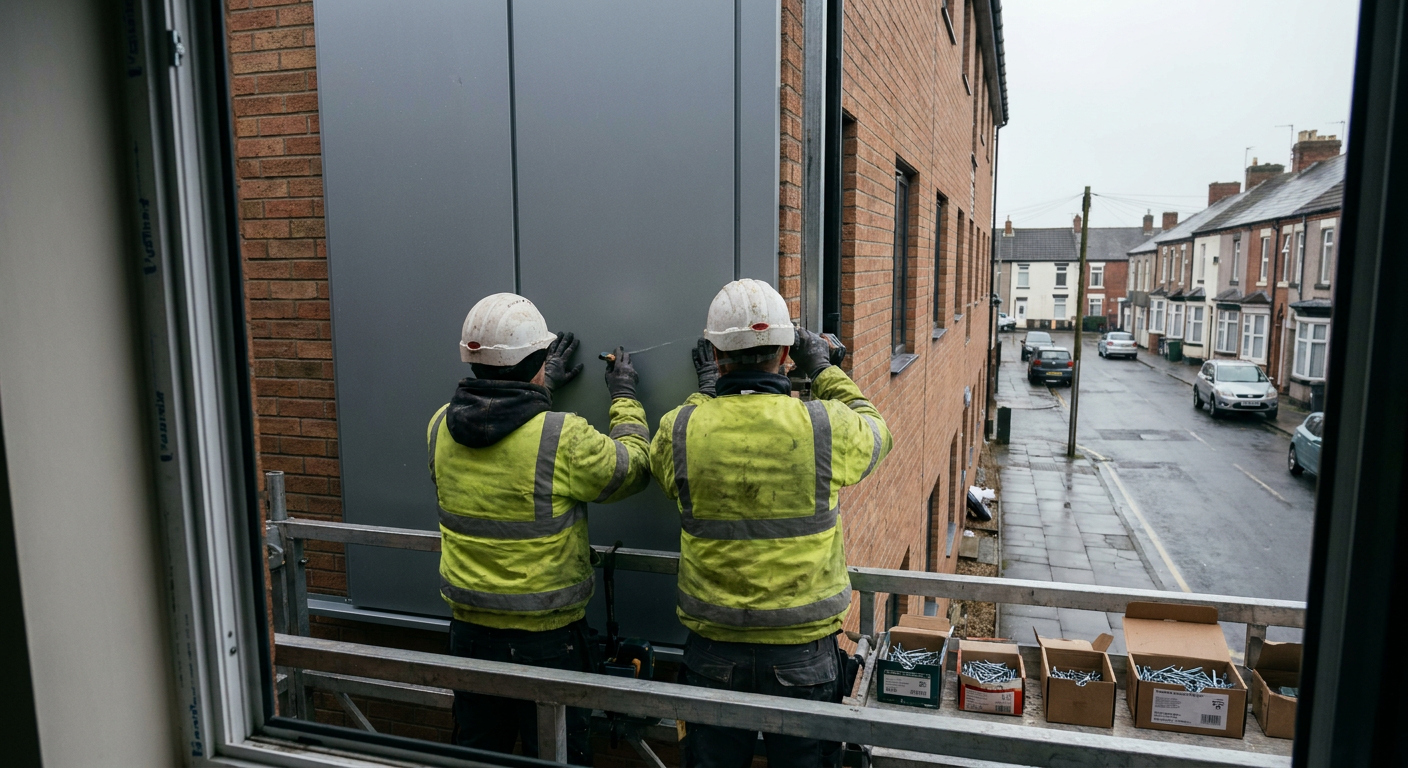
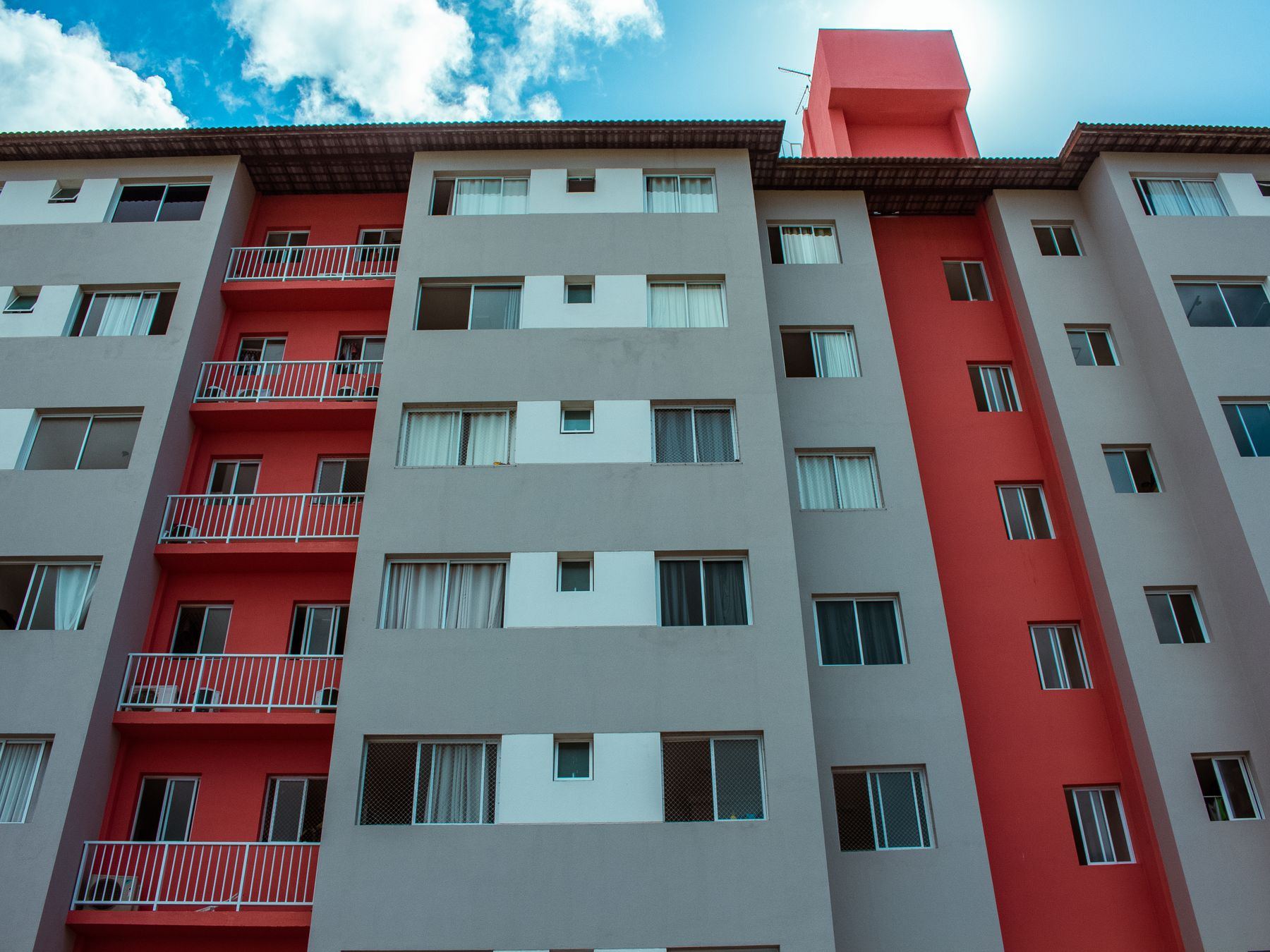
A specialist carries out the EWS1 survey in ews1 forms by inspecting every visible layer of the external wall build-up.
- Cladding and insulation The specialist examines panels, fixings and insulation during the external wall survey.
- Balconies and decking Timber or composite balcony materials are recorded during the balcony fire safety inspection.
- Openings and seals Windows, vents and cavity barriers are checked where they meet the outer skin.
- Intrusive opening up Where records are missing, intrusive opening up external wall layers reveals hidden cavities.
From booking to the finished record
- 1
Enquiry received
You send details about the block. The specialist reviews the height, age and known materials before quoting.
- 2
Site visit arranged
The managing agent receives notice so residents know when access to common areas will happen.
- 3
Inspection day
The specialist examines the exterior, opens up small sections if required and photographs each finding.
- 4
Records compiled
Notes, measurements and images are gathered into the file that supports the final EWS1 report.
Services tied to the site inspection
Each step relies on the findings from the ground. A separate specialist firm handles the specific task you need once the physical checks are complete.
-

Certificate
The specialist issues the EWS1 certificate after reviewing the site records and assigning the correct rating for lenders.
-
Surveyor
A chartered engineer or surveyor registered with a recognised professional body signs the form. The EWS1 surveyor checks their own competence against the building type before accepting instructions.
-
Report
The specialist compiles the EWS1 report using photographs, material samples and written notes taken during the site visit, then sends the finished document to the block manager.
-

Assessment
The specialist runs the full EWS1 assessment, combining desk research with physical checks to reach a final judgement.
Questions about the site visit
These answers cover what happens when someone arrives to book fire engineer cladding check work at your home.
- Access to individual flats
- Usually only common parts and the exterior are needed. If internal walls must be opened, the managing agent arranges flat access with residents beforehand.
- Time and notice for residents
- On a six storey block expect one full day. Residents receive written notice from the managing agent well before the date.
- Scaffolding or cherry picker costs
- If upper floors cannot be reached safely from the ground, access equipment is quoted separately and added to the total cost.
- Who commissions the work
- The freeholder or managing agent instructs the specialist. A leaseholder can enquire but needs the building owner to agree before anyone can carry out ews1 work.
- Repairing any openings made
- Small sections cut to view hidden layers are sealed and made good by the specialist before they leave the site.
- What the manager receives
- A full set of photographs, material notes and measurements goes to the block manager so the EWS1 form for flats can be completed accurately.
Areas covered for external wall surveys
An EWS1 survey examines the external wall build-up of a block of flats so a fire engineer can complete the [EWS1 form](/). Specialist firms carry out this site work across England and Wales. Enquiries about arranging an external wall survey for flats are taken here.
If your town is not listed, send an enquiry anyway since coverage extends beyond these cities.
Send your survey enquiry
Tell us about your block and what you have noticed. The details go to a specialist firm who replies with next steps. You are not committed to anything yet.
- No obligation to proceed
- Free initial advice
- Specialists handle the work