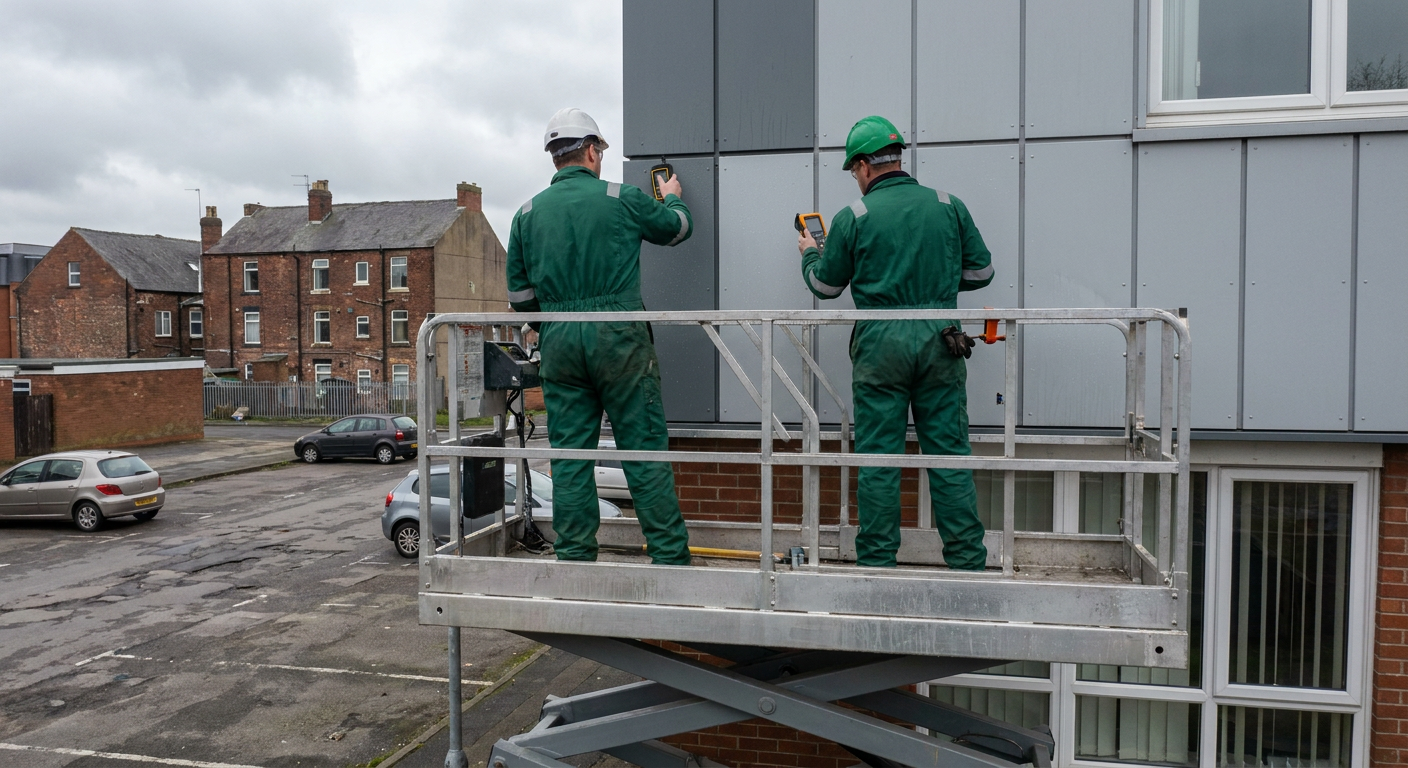
EWS1 ratings
What does an A3 rating mean on an EWS1 form?
Find out what each A rating says about the external wall of your home. Send an enquiry to arrange an EWS1 assessment, with no obligation or fee for asking.
Understanding A1, A2 and A3 ratings on EWS1 forms
The difference between A1, A2 and A3 comes down to what the surveyor finds on the external wall and whether any work is required before a sale can proceed.
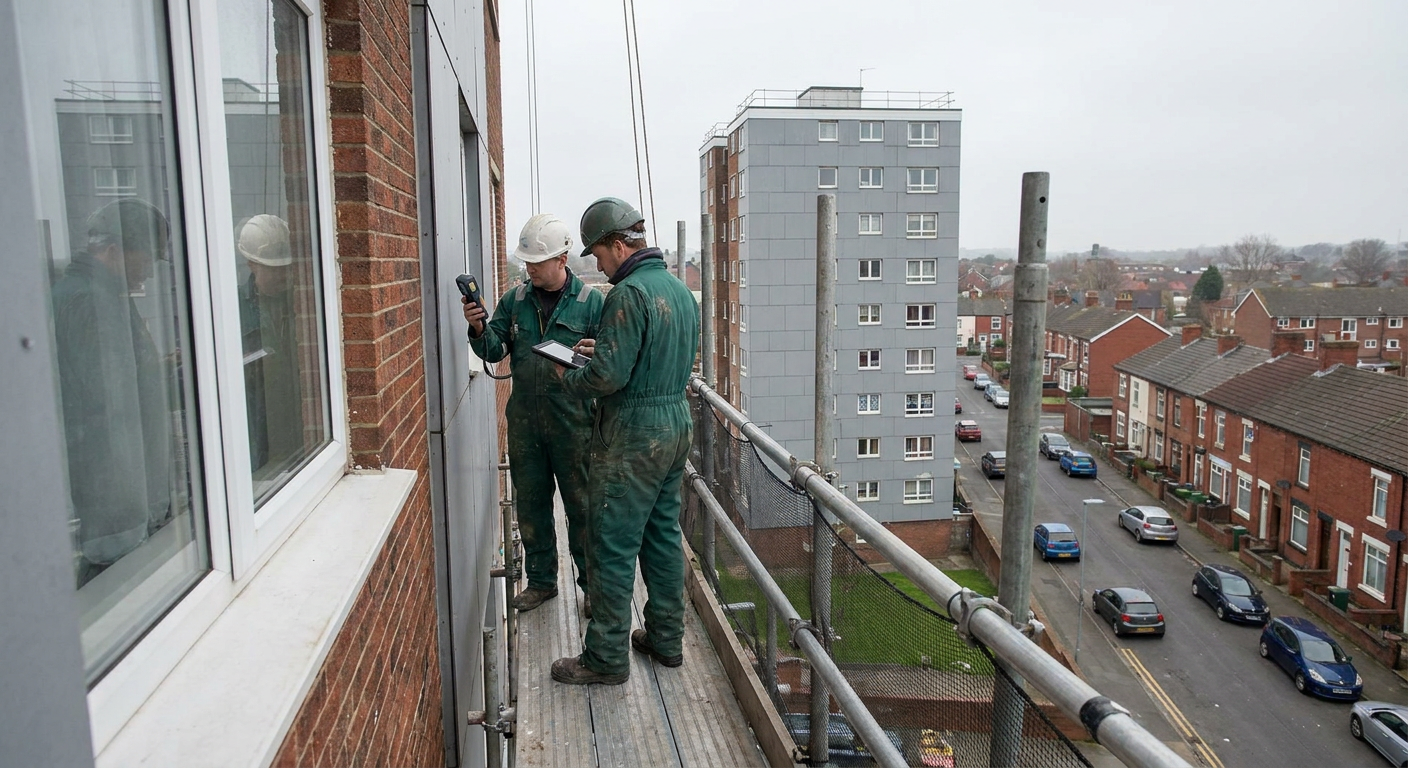
What an A rating means for the external wall
An A rating on an EWS1 form tells you that the specialist who carried out the inspection found nothing in the external wall system that requires remedial work for fire safety. The building might still have cladding, balconies or attachments, but the materials used do not present a risk that needs fixing.
People often ask what does a3 rating mean because they assume any A result is identical. The letter simply places the home in the category where no wall repairs are mandated by the assessor. Within that category, three sub-ratings describe what was actually seen during the EWS1 survey. Understanding which one applies helps when a buyer or mortgage lender reads the EWS1 certificate.
A brick block without any cladding panels or timber balconies will usually fall into this group, though the exact rating depends on what the surveyor records. If you are unsure whether your home even needs this paperwork, check whether an EWS1 form is required for your building before arranging anything.
The difference between A1, A2 and A3 in plain terms
A1 means the external wall contains no combustible materials. The specialist saw masonry, concrete or metal throughout, with nothing that could contribute to a fire spreading up the outside of the block. This is the simplest outcome and rarely causes delays during a sale.
A2 applies when small amounts of combustible material are present but the quantity is so limited that it poses no significant fire risk. Think of plastic damp-proof membranes or thin sealant strips behind brickwork. The a2 rating external wall meaning is straightforward: some non-ideal material exists, yet the surveyor judged it safe without further action.
A3 covers walls where combustible elements are more substantial than A2 allows, but the overall arrangement still does not require remediation. Timber framing behind render or larger insulation sections might lead here. The difference between A1 and A2 is often just the volume of material spotted, while A3 involves slightly more complex construction that still meets the threshold for no repair work.
Does an A3 result mean remedial work is needed?
No. An A3 result on your flat means the EWS1 report concluded that no remedial work is necessary. The presence of combustible material prompted the A3 classification rather than A1 or A2, but the surveyor determined the fire risk remains acceptable without changes to the wall.
This distinction matters because sellers sometimes panic when they see A3 instead of A1. The number only describes what the wall is made of, not a defect. The EWS1 surveyor writes down their findings in the EWS1 report, and the rating follows from those observations according to the standard criteria. If the wall genuinely needed altering, the outcome would be a B rating instead. So an A3 is still a pass; it just reflects a different construction type than a bare concrete or solid brick facade.
How lenders treat A1, A2 and A3 ratings
Most mortgage lenders accept any A rating without hesitation. They look at the EWS1 form to confirm that no remedial work is outstanding, and all three A options satisfy that requirement. Whether a lender treats an A3 differently from an A1 depends entirely on their own internal policies rather than the form itself.
Some smaller lenders or specific mortgage products might ask follow-up questions about why A3 was given instead of A1, particularly if their underwriters prefer zero combustible content. But broadly, lenders accept A3 as evidence that the external wall is safe. If you want to know whether a particular bank will lend on your home, read more about how lenders view EWS1 ratings before applying. The key point is that the form confirms no works are needed, which is what the mortgage company wants to see.
Why neighbouring blocks get different ratings
Two buildings standing side by side can receive completely different outcomes. One might get an A1 while the other receives a B1. Comparing b1 with a3 shows how much variation exists across streets built in the same decade.
The reason comes down to the specific materials hidden behind the outer face. One block might use mineral wool insulation while the next used polyethylene-cored panels. The EWS1 assessment examines what is actually there, not what looks similar from the pavement. Age, height and the presence of balconies all influence which rating applies.
If your managing agent received an A2 result, their next step is simply to file the completed form and share it with residents who need it for sales or remortgages. No further wall investigation is required unless circumstances change. Should the wall be opened up later for unrelated maintenance and new materials become visible, a fresh inspection could produce a revised rating.
Signs your block may need an EWS1 assessment
External wall concerns rarely announce themselves clearly. These are observable features on a block of flats that sometimes prompt a lender or solicitor to request an EWS1 form before a sale proceeds.
- 1
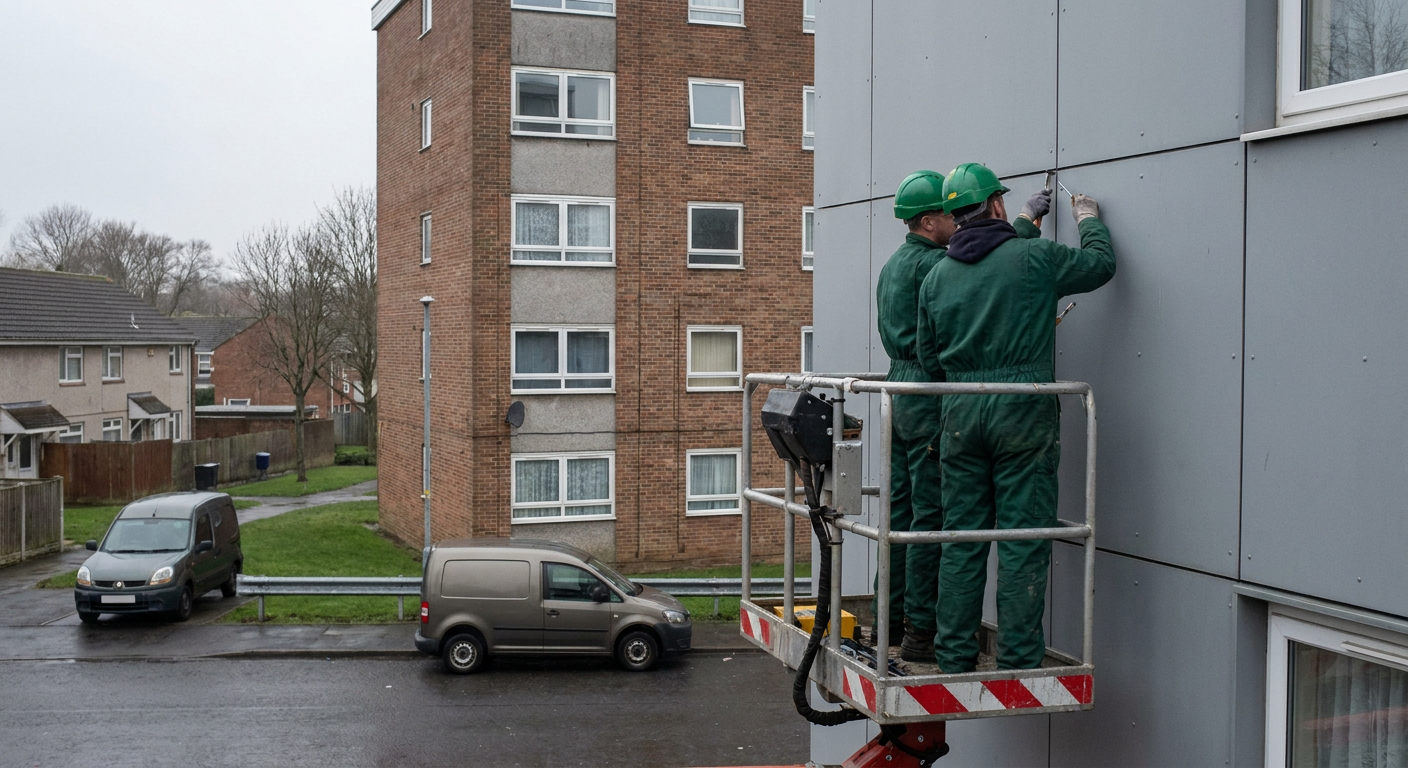
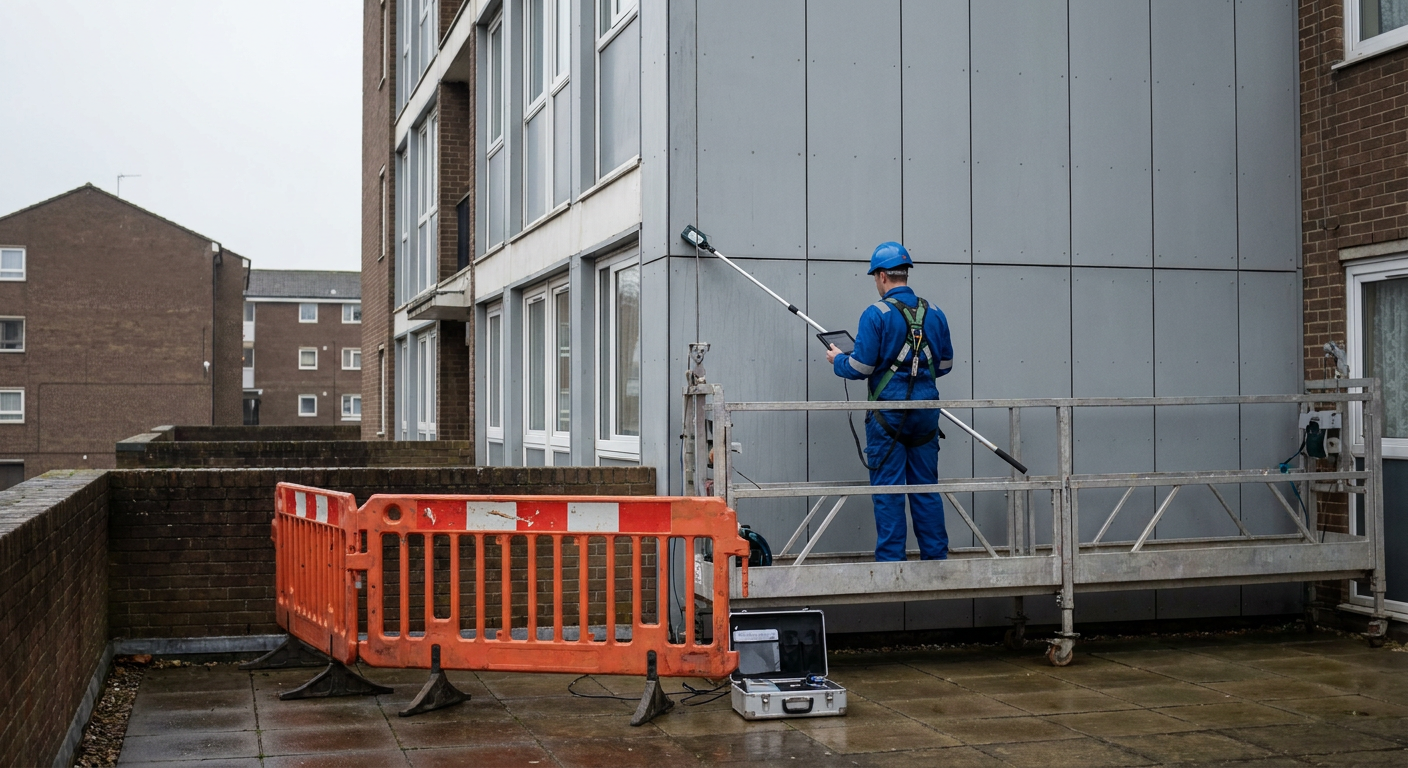
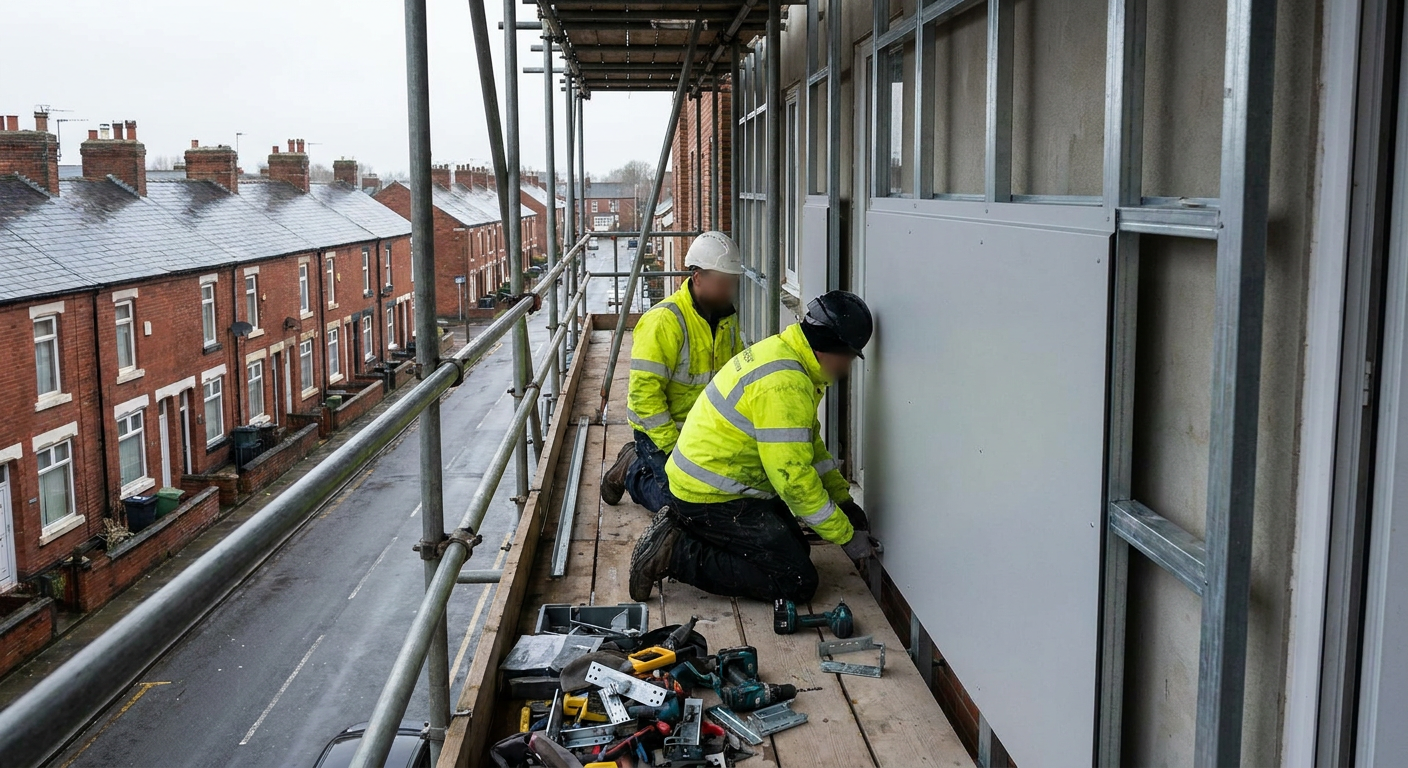
Cladding panels on the exterior
Flat sheets or cassettes fixed over the structural wall. Their core material determines whether the building passes inspection or requires further testing.
- 2
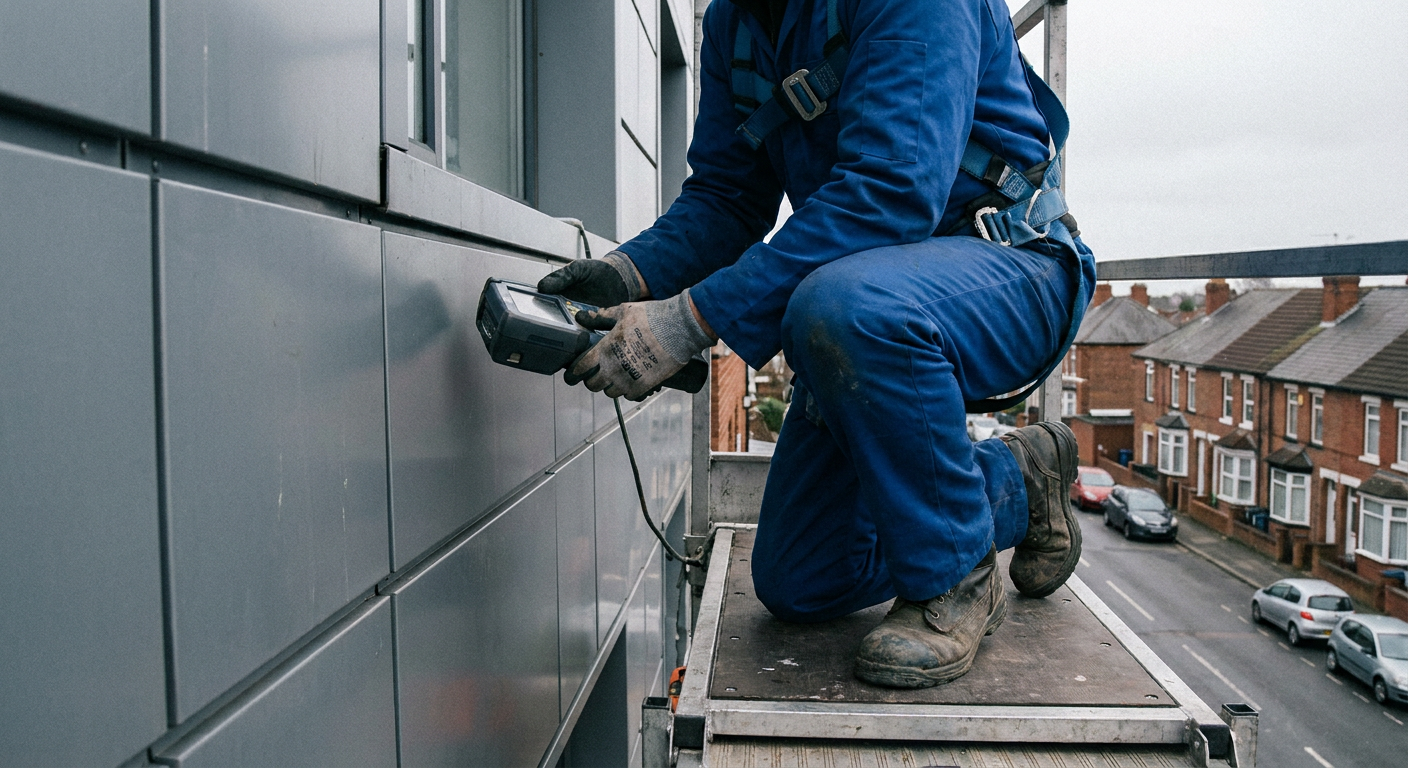
Timber balcony decking
Wooden surfaces attached to the outside of upper floors. Combustible balcony materials can affect the final rating written on the form.
- 3
Rendered outer walls
A smooth coated finish that hides whatever sits beneath. The insulation behind the render is what the surveyor needs to identify.
- 4
Plastic window surrounds
Composite frames or decorative trim around openings. Small amounts of plastic are common and usually fall within acceptable limits.
Common questions about A ratings
-
Answers to the things flat owners ask most often when reading an EWS1 certificate for the first time.
- Managing agent next steps for A2
- File the completed form and provide copies to leaseholders who need it for sales. No wall repairs are required.
- Can the rating change later
- Yes. If future maintenance opens the wall and reveals different materials, a new assessment may alter the original outcome.
- Why my block got A, next door got B
- Ratings depend on the specific materials inside each wall, not outward appearance. Different insulation or fixings lead to different results.
- Do lenders accept A3
- Most accept any A rating since all three confirm no remedial work is needed. Check individual lender policies if uncertain.
- What rating for a brick block
- Solid brick buildings without attachments typically receive A1, provided the surveyor finds no hidden combustible layers during inspection.
Ask about an EWS1 form for your home
Send the details of your block and someone will respond about arranging an EWS1 survey. There is no charge for the initial enquiry and it does not commit you to anything.
- No obligation to proceed
- Free initial enquiry
- Specialist firms do the work