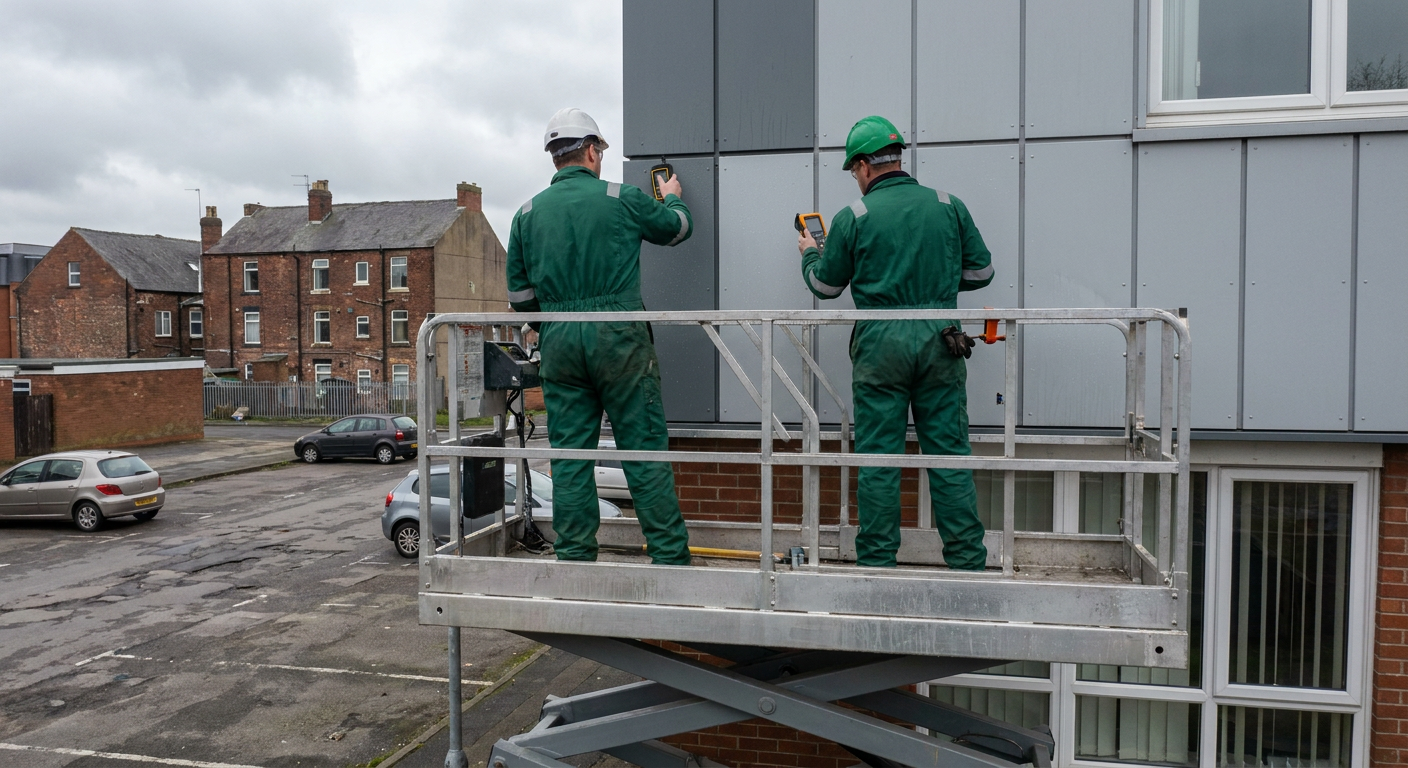
B2 ratings on an EWS1 form
B1 rating explained, and what a B2 rating means
If you have received a B2 rating and do not know what it requires, send a short enquiry. There is no charge for asking, and you will hear back with plain answers about your next step.
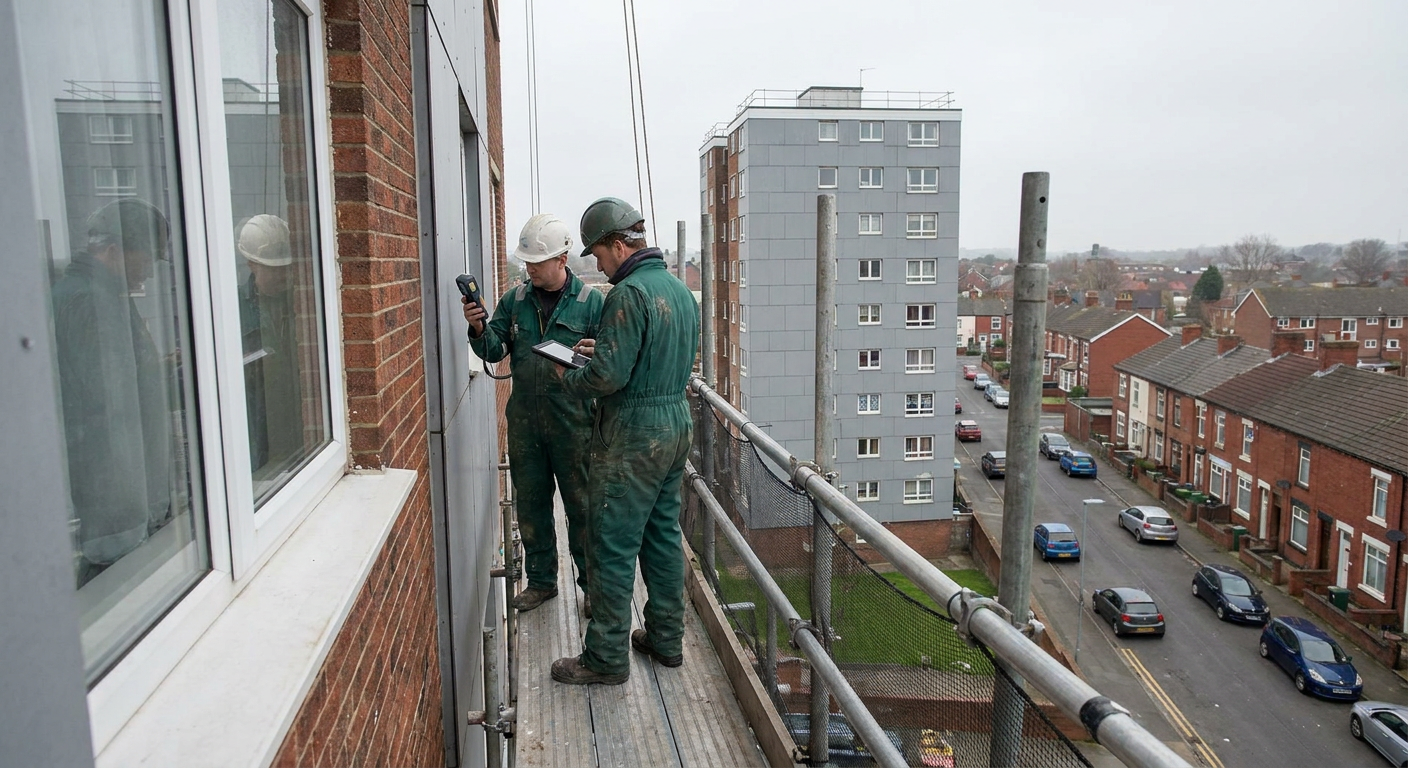
Where B1 and B2 sit on the form
An EWS1 form records how combustible materials are used on the outside walls of a block of flats. The specialist firm carrying out the assessment places the building into one of several categories. A B rating means combustible materials are present somewhere on the external wall system.
Within that category, B1 and B2 describe very different situations. A B1 rating means the amount of combustible material is limited enough that no remedial work is expected. Lenders generally accept a B1 rating without asking for further action. You can read more about how these categories compare in the guide to the EWS1 certificate.
A B2 rating means there is enough combustible material to require attention. This does not automatically mean the cladding must be stripped off the building. It means the specialist who signed the form has identified a condition that needs further investigation or repair before the risk is considered managed.
What happens after a B2 rating is given
Receiving a B2 rating usually pauses any mortgage application or sale until the situation is clarified. Lenders look at the EWS1 report to understand what the assessor found and what they recommend. Most banks will not release funds while a B2 rating stands without a clear plan in place.
The next step depends on what the specialist firm wrote down. Sometimes the recommendation is a detailed survey of the specific panels or insulation. Other times it points directly toward remedial work. The freeholder or management company typically arranges this, because the external walls belong to the building rather than to any individual flat owner.
Leaseholders often find out about a B2 rating when they try to sell or remortgage. If you are unsure whether your block even needs this paperwork, the page on whether you need an EWS1 form explains which buildings fall under the requirement.
Who decides what work is needed
The specialist firm that inspects the building writes the EWS1 assessment and assigns the rating. They state whether remedial work is necessary, but they do not carry out the repairs themselves. That work falls to contractors appointed by whoever owns or manages the structure.
Deciding exactly how to fix the problem involves structural engineers, fire safety specialists and sometimes the local building control office. The original EWS1 surveyor identifies the issue; other professionals design and complete the solution. Once the work is finished, a new inspection takes place to confirm the building now meets a safer standard.
If the remedial work brings the risk down far enough, a fresh form might show a B1 or even an A rating. Until then, the B2 stays on record. Mortgage lenders follow their own policies on this, which the guide to lender acceptance sets out in detail.
Paying for the work and getting a new form
The cost of fixing external walls after a B2 rating is a separate matter from the fee for the form itself. Government funding schemes exist for some buildings, particularly those over eighteen metres tall, but eligibility varies. Leaseholders should check with their managing agent about what financial support applies to their block.
Once the remedial work is complete, the building needs another assessment. The specialist firm that carries out the new [EWS1 survey](/ews1-survey) must be led by someone who holds the required qualification: membership of a recognised professional body such as the Royal Institution of Chartered Surveyors (RICS), the Institution of Fire Engineers (IFE) or the Chartered Institute of Building (CIOB). That person inspects the changes and decides if the rating should be updated. You can read more about [who is permitted to sign an EWS1 form](/ews1-surveyor).
A revised form replaces the old one. Sellers and owners then use the new document to satisfy lenders or buyers. The entire sequence, from the first enquiry through to the issued paperwork, follows a set path. The breakdown of the [EWS1 process](/who-signs-the-form/the-process-ews1-forms) explains each stage so you know where things stand.
Signs that lead to a B rating
Visible features on the outside of a block do not tell you the rating. Different materials behave differently in a fire, so a specialist must examine them to decide what the form should say.
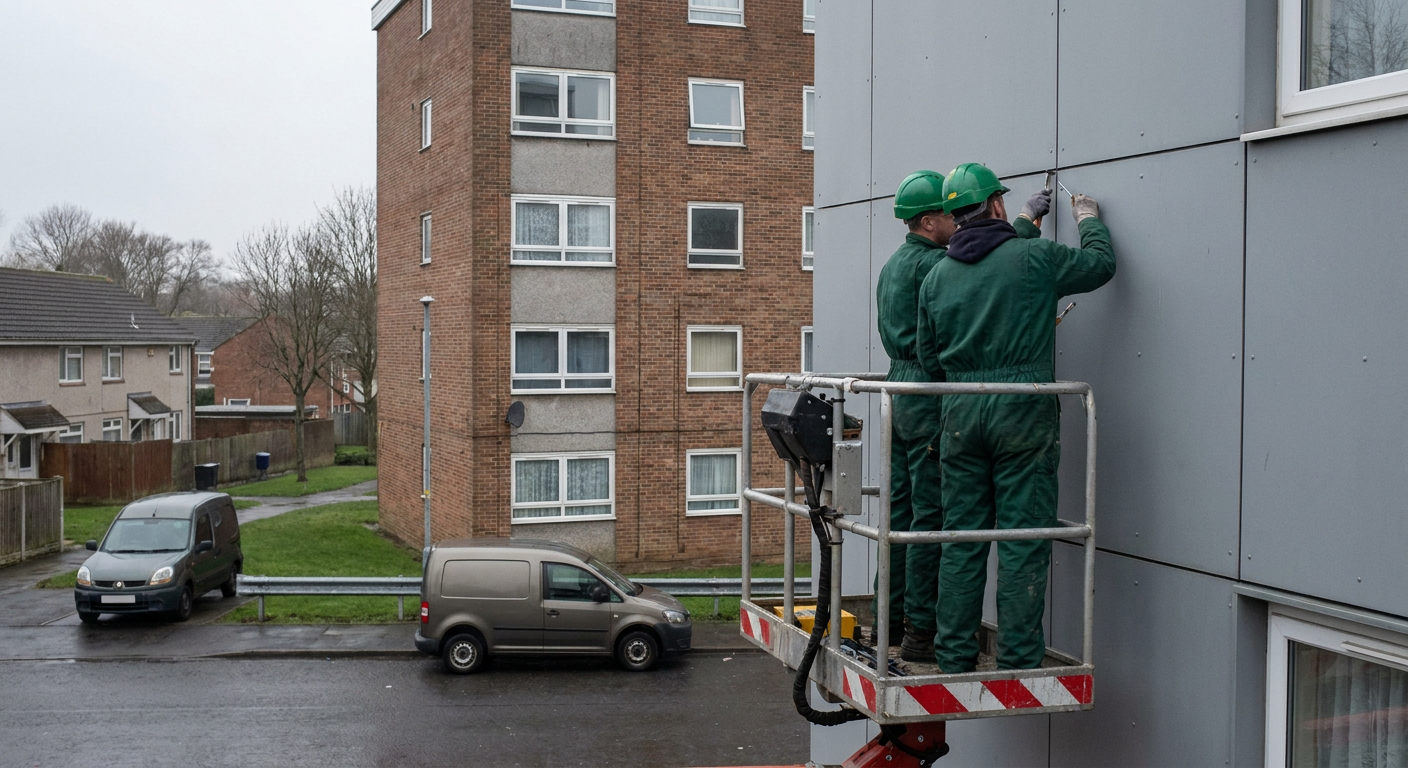
- Plastic-looking panels on the walls
- Panels with a polyethylene core are highly combustible. An EWS1 survey determines if they cover enough area to push the rating to B2.
- Wooden boards fixed to balconies
- Timber on balconies adds fuel to the external wall system. A specialist checks the extent of its use to assign B1 or B2.
- Foam visible behind cladding sheets
- Exposed insulation suggests combustible material within the wall build-up. An EWS1 assessment confirms its type and the resulting rating.
- Gaps around window frames
- Open cavities allow fire to spread unseen inside the wall. A specialist inspects the cavity barriers during the survey.
Questions about B2 ratings on EWS1 forms
These answers address the most common concerns after a B2 rating arrives.
- Can I still sell my flat?
- A sale can proceed, but most buyers cannot get a mortgage until the B2 rating is resolved or a lender accepts the risk.
- Does B2 mean the building is unsafe?
- It means combustible materials require attention. It does not necessarily mean residents must leave their homes immediately.
- Who pays for the repairs?
- The building owner or freeholder usually arranges the work. Leaseholders may face service charges unless government funding applies.
- How long does a B2 stay valid?
- The form lasts five years unless significant changes happen to the building. A B2 remains on record until new work prompts a reassessment.
- Will all lenders refuse a B2?
- Most high-street banks pause lending on a B2. Some specialist lenders might consider it, depending on the exact details written on the form.
Ask about your B2 rating
Send the details of your flat and the rating you received. Someone will reply with information about what typically happens next, without any obligation to buy a service.
- No fee to ask
- Plain answers only
- No commitment required